
Creating a home office that is both cozy and productive can make a significant difference in your work-from-home experience. Whether you use the space for a full-time job, freelancing, or personal projects, having a well-designed area tailored to your needs helps maintain focus and comfort. This post offers practical tips to transform any corner of your home into an inspiring and efficient workspace.
Choose the Right Location
The first step in setting up a home office is selecting a suitable spot. Ideally, pick a quiet area with minimal distractions. Natural light is a huge advantage, so try to place your desk near a window if possible. Avoid high-traffic areas where family members or roommates frequently pass by, as interruptions can affect your workflow.
Consider Space and Privacy
Even if space is limited, it’s important to carve out a dedicated area exclusively for work. This separation helps your brain associate that space with productivity. If total privacy isn’t an option, using room dividers or curtains can create a visual boundary that signals “work time.”
Invest in Comfortable and Functional Furniture
Comfort is key to maintaining focus during long work hours. Choose an ergonomic chair that supports your posture and a desk at the right height to prevent strain. Adjustable furniture pieces are great for customizing your setup to your body.
Desk Setup Essentials
Keep your desk organized and clutter-free. Use trays, drawers, or desktop organizers for supplies like pens, notebooks, or chargers. A monitor stand or laptop riser can help position your screen at eye level, reducing neck discomfort.
Optimize Lighting for Comfort and Focus
Good lighting reduces eye strain and improves mood. Balance natural light with artificial options by adding a desk lamp that offers adjustable brightness and color temperature. Warm light creates a cozy atmosphere, while cooler light enhances alertness.
Avoid Glare and Shadows
Position your computer screen to avoid glare from windows or lights. Indirect lighting and adjustable blinds or curtains help control natural light throughout the day.
Personalize Your Space with Thoughtful Decor
Adding personal touches can make your workspace feel welcoming and uniquely yours, which increases comfort and motivation.
Use Calming Colors
Soft or neutral colors create a peaceful environment, while pops of your favorite colors add energy. Consider colors like light blue, pale green, or warm beige.
Incorporate Plants and Art
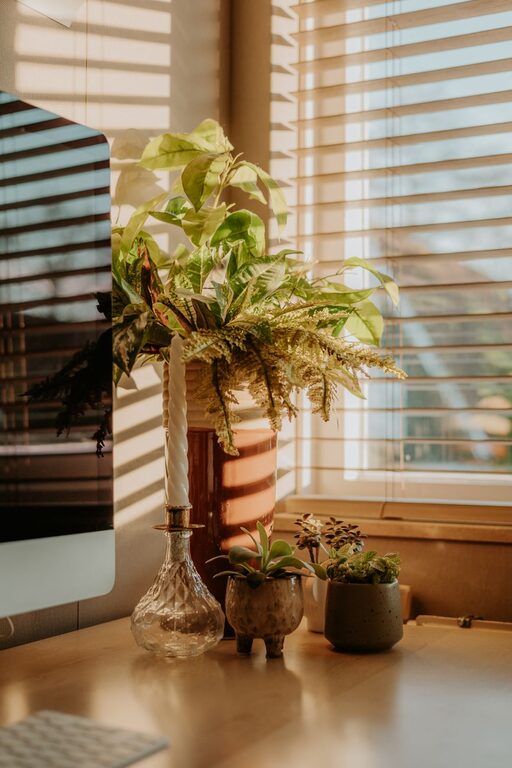
Indoor plants improve air quality and add a refreshing vibe. Choose low-maintenance varieties like succulents or pothos. Hang artwork or photos that inspire you but avoid cluttering walls.
Manage Technology Efficiently
Reliable technology minimizes disruptions. Invest in a fast internet connection and necessary equipment like printers, external keyboards, or headsets.
Cable Management Tips
Use cable organizers or clips to keep cords tidy and prevent tangling. This not only looks cleaner but also reduces the chance of accidents.
Keep Your Workspace Organized
A well-organized office reduces stress and helps locate items quickly.
Develop Simple Habits
Set aside a few minutes daily to tidy your desk. Use labeled storage boxes or shelves for documents and supplies. Digital tools like cloud storage and task apps can complement your physical organization.
Incorporate Break and Relaxation Areas
If you have space, create a small nook with comfortable seating for short breaks. This encourages movement and mental rest, supporting sustained productivity.
Use a Timer for Work Intervals
Techniques like the Pomodoro method, which alternates focused work with short breaks, help maintain energy and prevent burnout.
Pay Attention to Air Quality and Temperature
A comfortable temperature and fresh air contribute to well-being and focus. Open windows when possible, use a fan or heater as needed, and consider an air purifier if air quality is a concern.
—
By thoughtfully designing your home office with comfort, functionality, and personality in mind, you set yourself up for productive and enjoyable work sessions. Remember that your workspace is a reflection of your needs and style, so don’t hesitate to adapt these tips to fit your routine and preferences. Happy decorating and working!