
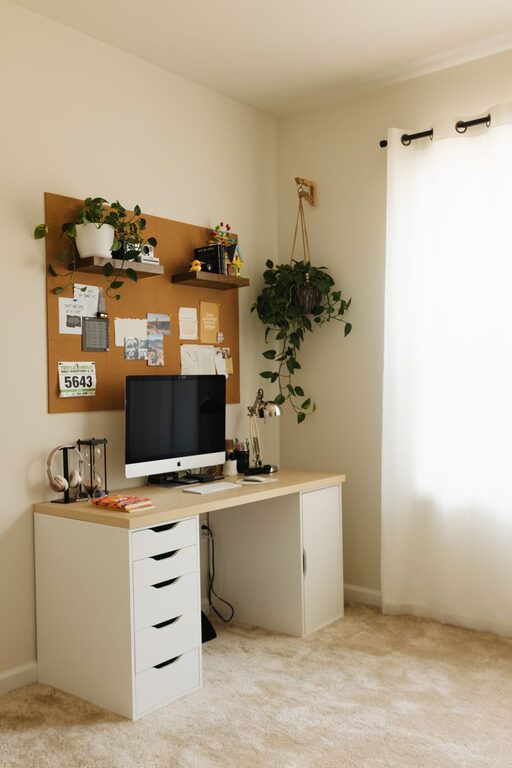
Creating a cozy and productive home office space is essential for anyone who works remotely or needs a dedicated area for completing tasks. A well-designed workspace can boost your focus, reduce stress, and make your workday more enjoyable. Whether you have a small corner of a room or an entire spare room, transforming it into a comfortable and efficient office is achievable with some thoughtful planning.
In this post, we’ll explore practical tips to help you design a home office that feels inviting and enhances productivity.
1. Choose the Right Location
Selecting the best spot for your home office is the foundation of a great workspace.
– Natural Light: Try to set up near a window where natural light can brighten the space. Natural light improves mood and energy levels.
– Quiet Area: Choose a spot away from household noise and distractions to help maintain focus.
– Space: Ensure there’s enough room for essential furniture and for you to move comfortably.
If space is limited, even a small nook with a desk and good lighting can work well.
2. Invest in Comfortable Furniture
Comfort is key, especially if you spend long hours at your desk.
– Ergonomic Chair: Invest in a chair that supports good posture. Adjustable height and lumbar support are important.
– Desk: Choose a desk that fits the space and suits your work style. Options include standing desks or traditional desks with ample surface area.
– Accessories: Consider a footrest or wrist supports to reduce strain.
Comfortable furniture reduces physical fatigue and helps you stay focused longer.
3. Prioritize Good Lighting
Effective lighting prevents eye strain and creates a pleasant work atmosphere.
– Layer Your Lighting: Use a mix of natural light, overhead lights, and task lighting like desk lamps.
– Avoid Glare: Position your screen and light sources to avoid glare, which can cause discomfort and headaches.
– Warm Light: Soft, warm light tones can create a cozy feel, while cooler tones encourage alertness.
Adjust lighting as needed throughout the day to match changes in natural light.
4. Organize and Declutter
An organized desk and storage system make your space more functional and reduce distractions.
– Storage Solutions: Use shelves, drawers, or storage boxes to keep supplies and papers neatly stored.
– Declutter Regularly: Remove items you do not need to keep the area tidy.
– Cable Management: Use clips or ties to keep cords and cables orderly.
A clean workspace helps clear your mind and improve concentration.
5. Personalize Your Space
Adding personal touches can make your office feel welcoming and motivating.
– Plants: Indoor plants add life and help improve air quality.
– Artwork: Hang pictures or art that inspires you.
– Colors: Use colors that you enjoy and that promote productivity, such as soft blues, greens, or neutrals.
– Inspiring Objects: Keep meaningful items like photos or motivational quotes nearby.
Personalization helps create a space where you enjoy spending time.
6. Incorporate Technology Thoughtfully
Technology should support your work efficiently without becoming a distraction.
– Essential Equipment: Make sure you have a reliable computer, high-speed internet, and any other necessary tech tools.
– Accessories: Use a good quality keyboard, mouse, and headphones if needed.
– Setup: Position screens at eye level and maintain proper distance to reduce strain.
Keep software and devices updated and organized for smooth workflow.
7. Set Boundaries Between Work and Home
Creating physical and mental boundaries can help maintain balance.
– Defined Work Hours: Stick to regular work hours to separate work and personal time.
– Visual Separation: Use room dividers or curtains if your office is in a shared space.
– End-of-Day Rituals: Clean up your desk or turn off your computer to signal the end of the workday.
Clear boundaries help prevent burnout and support productivity.
8. Add Comfort and Wellness Features
Supporting your well-being is just as important as the workspace itself.
– Movement: Take short breaks to stretch or move around regularly.
– Air Quality: Keep the space ventilated or use an air purifier if needed.
– Comfort Items: Consider a cozy blanket or a small diffuser with calming scents.
Creating a space that cares for your body and mind improves overall productivity.
—
Final Thoughts
Designing a cozy and productive home office doesn’t require a big budget or a large space. By choosing the right location, investing in comfortable furniture, optimizing lighting, and adding personal touches, you can build a workspace where productivity and comfort go hand in hand.
Remember, a little effort in organizing and personalizing your office will make your workday more enjoyable and efficient. Start small, experiment, and create a space that best supports your work style and well-being.