
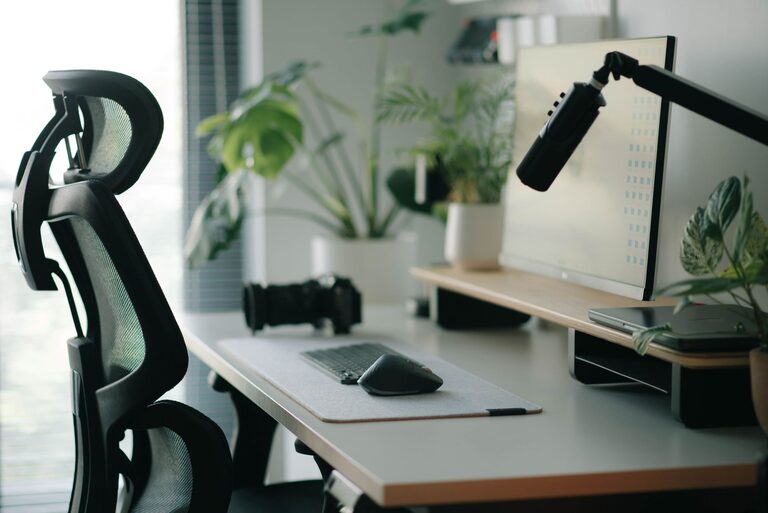
Creating a cozy and functional home office is key to maintaining productivity and a positive mindset while working from home. Whether you have a dedicated room or just a small corner, designing your workspace to meet your needs can make a significant difference. This guide offers practical tips to help you create an office space that is both inviting and efficient.
Choose the Right Location
Consider Natural Light
Whenever possible, choose a spot in your home with plenty of natural light. Sunlight boosts mood and energy levels, which can help sustain focus throughout the day. Position your desk near a window to take advantage of this benefit, but be mindful of glare on your screen.
Minimize Distractions
Select a quiet area away from high-traffic zones like the kitchen or living room. If noise is unavoidable, think about soundproofing options or using noise-cancelling headphones to create a more focused environment.
Invest in Comfortable and Ergonomic Furniture
Ergonomic Chair and Desk
Comfort is essential in a home office, especially if you spend long hours working. Invest in an ergonomic chair that supports your back and encourages good posture. Pair it with a desk at the right height to prevent strain on your neck and wrists.
Flexible Furniture Options
If space is limited, consider multi-functional furniture like a foldable desk or a standing desk converter. Adjustable furniture helps you change positions throughout the day, reducing fatigue.
Organize for Efficiency and Clarity
Use Storage Solutions
Clutter can be distracting and stressful. Keep your workspace tidy by using organizers, shelves, drawers, or filing cabinets. Designate specific places for documents, supplies, and electronics.
Cable Management
A messy tangle of cables can undermine even the most organized office. Use cable organizers, clips, or sleeves to keep cords neat and out of the way.
Add Personal Touches Without Overdoing It
Incorporate Colors and Decor
Choose colors that promote concentration and calmness, such as soft blues, greens, or neutrals. Add personal touches like artwork, photos, or plants to make your office feel inviting without cluttering the space.
Bring in Greenery
Plants not only add beauty but also improve air quality and reduce stress. Select easy-to-care-for plants like succulents, snake plants, or pothos to brighten your office.
Ensure Proper Lighting Beyond Natural Light
Use Layered Lighting
In addition to natural light, use a combination of ambient, task, and accent lighting. A good desk lamp with adjustable brightness can reduce eye strain and improve focus during late hours.
Choose Warm or Neutral Light
Opt for warm or neutral light bulbs instead of harsh cool white lights to create a cozy atmosphere.
Optimize Technology Setup
Reliable Internet Connection
A strong and steady internet connection is vital. If your workspace is far from the router, consider a Wi-Fi extender or a wired connection.
Essential Equipment
Invest in quality tech tools such as a good monitor, keyboard, and mouse. Use a laptop stand or monitor riser to keep your screen at eye level, promoting better posture.
Establish Boundaries and Routines
Define Work and Rest Areas
If your office shares space with other rooms, define work boundaries with rugs, curtains, or room dividers. This helps your brain associate the space with productivity.
Create a Daily Schedule
Maintaining consistent working hours and breaks helps you stay organized and prevents burnout. Use timers or apps to remind you when to step away from the desk.
Prioritize Air Quality and Comfort
Proper Ventilation
Good airflow keeps you alert and comfortable. Open windows when possible or use fans or air purifiers to maintain fresh air.
Control Temperature
Keep the room at a comfortable temperature, neither too cold nor too hot. A portable heater or fan can help adjust conditions as needed.
Maintain Flexibility and Adaptability
Review and Update Your Space
As your work habits and needs evolve, revisit your home office setup regularly. Adjust furniture placement, decor, or tech gear to suit changes.
Create Multipurpose Zones
Include areas for brainstorming, reading, or relaxation within your home office if space allows. A cozy chair or small couch can support these different work modes.
—
Designing a cozy and functional home office involves thoughtful choices about location, furniture, organization, lighting, and personal touches. By creating a space that supports your comfort and productivity, you can enjoy the benefits of working from home with less stress and more focus. Start small, prioritize what works best for you, and enjoy your new, inviting workspace.